
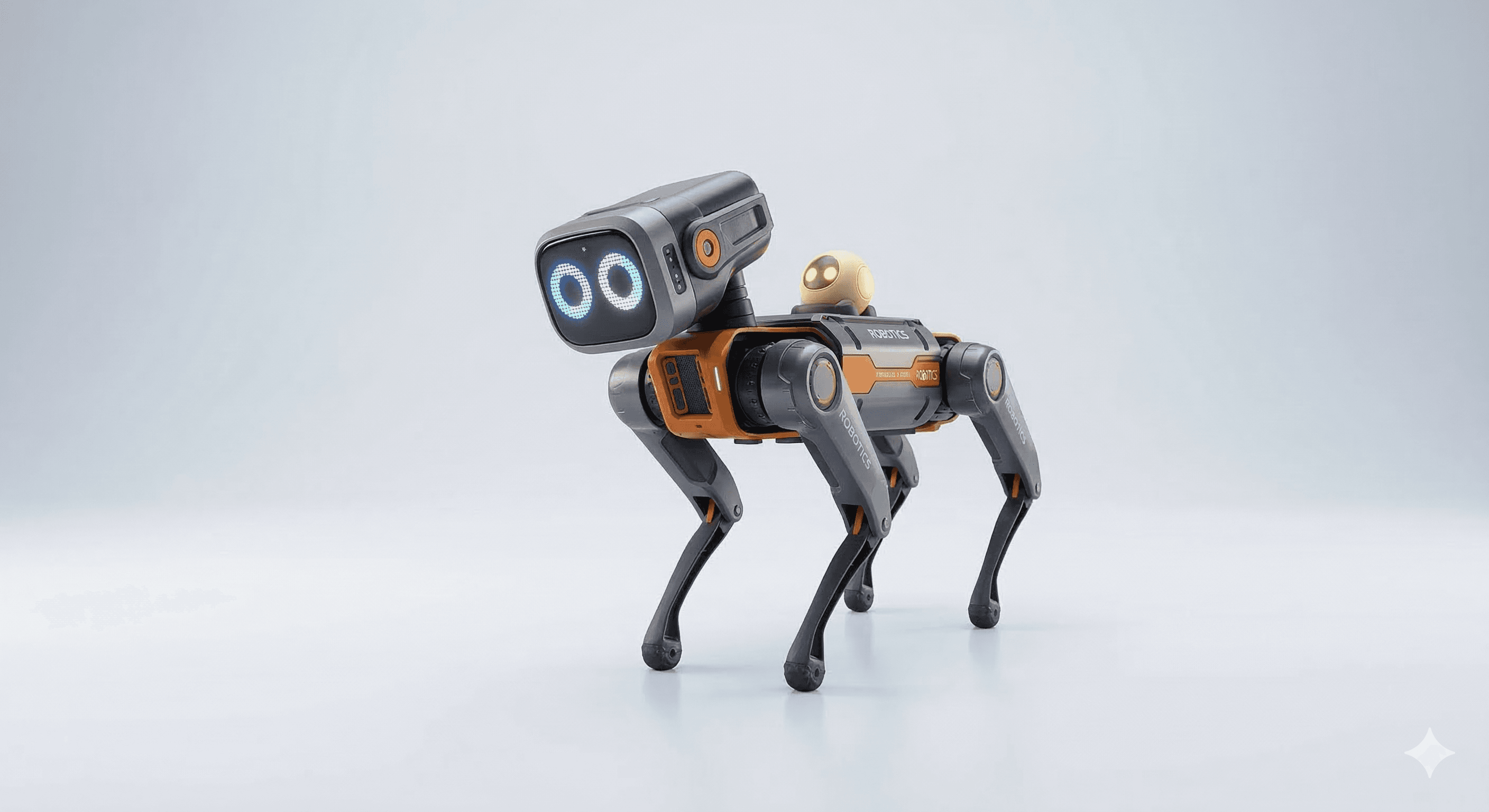
AI Summit Controversy After University Robodog Demo Draws Scrutiny
Editor | March 14, 2026 | 3 min read
Q&A Brief
Q: What started the controversy? A televised segment at the Delhi AI summit showed a Galgotias University professor presenting a robot dog named "Orion" as a university-developed project. The clip spread online within hours.
Q: Why did people object? Viewers recognized the hardware as Unitree's Go2 quadruped, a commercial product sold in India. That mismatch between the on-camera framing and the publicly known product led to accusations of misrepresentation.
Q: How did the university respond? The university said it never claimed full in-house hardware development and described the online criticism as a targeted campaign. It emphasized that the work focuses on programming, student training, and real-world deployment using globally available tools. The professor later said her remarks were misunderstood and that she did not express herself clearly.
Q: What happened at the exhibition booth? Reports said the university was asked to leave its stall, while staff said they received no formal instruction. Later, the booth reportedly lost power, and a reporter at the venue observed the area unattended.
Q: Did this affect the summit itself? Yes. The clip had been shared on the IT Minister's official X account before being deleted, making the situation uncomfortable for organisers. India IT Secretary S Krishnan urged that the dispute not overshadow other exhibitors and called for clear conduct standards at such events.
Q: What is the summit broader context? The five-day India AI Impact Summit at Bharat Mandapam in Delhi is positioned as a flagship event for Indias AI ambitions. It includes policy discussions, startup showcases, and closed-door sessions on governance, infrastructure, and innovation, with delegates from over 100 countries and leaders such as Google's Sundar Pichai.
Q: How has the event been going overall? The opening day saw complaints about crowding and entry confusion, prompting organisers to extend exhibition hours and tighten access procedures. By the third day, attendance was described as lively, with strong public engagement across booths.